Starburst Security and Access Control
Starburst is an enterprise data platform built on Trino that enables organizations toquery and analyze data across multiple sources through a single SQL interface.
Secure Access. Granular Data Control.
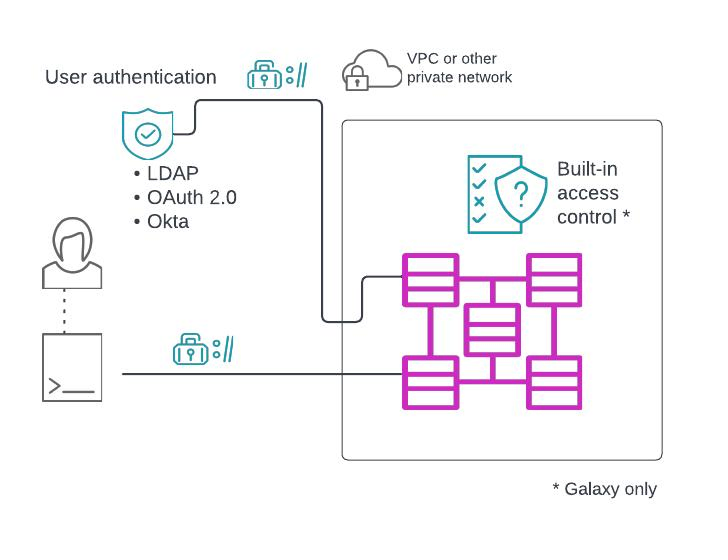
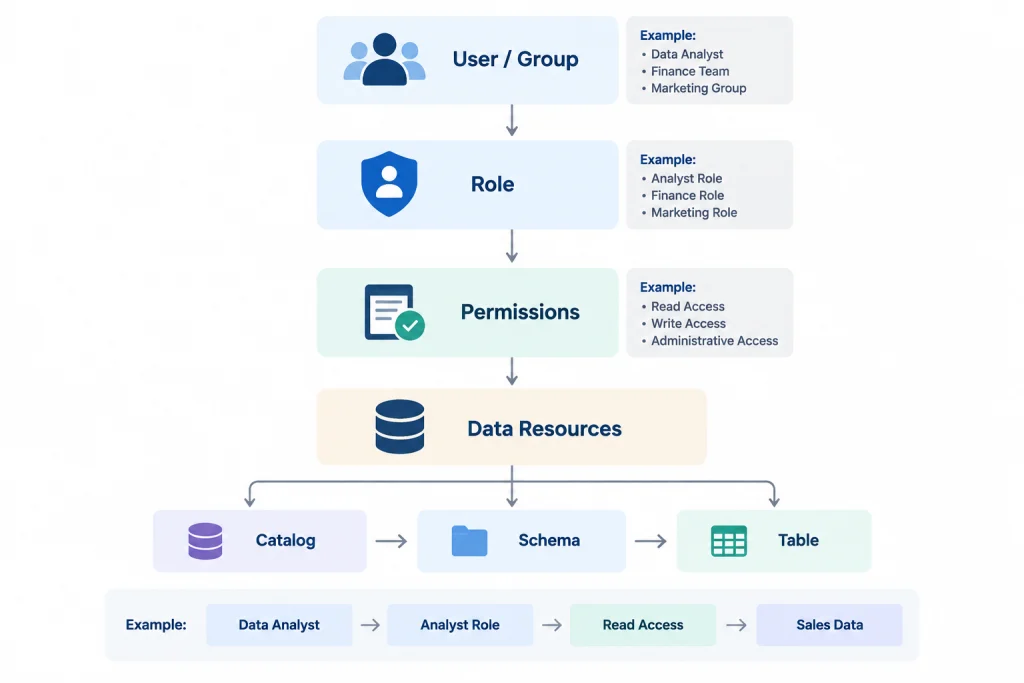
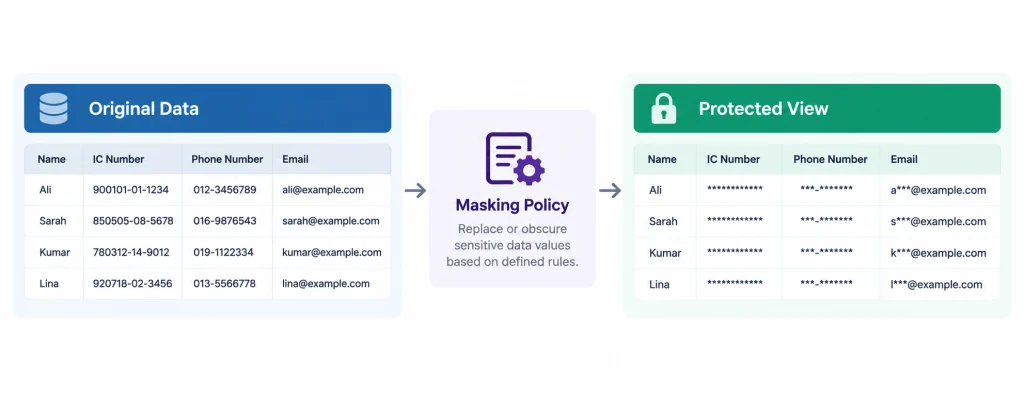
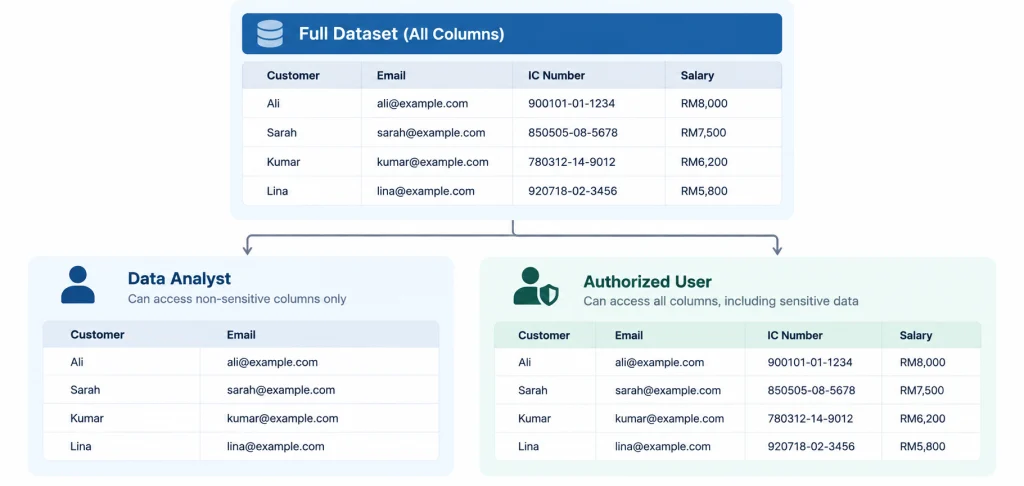
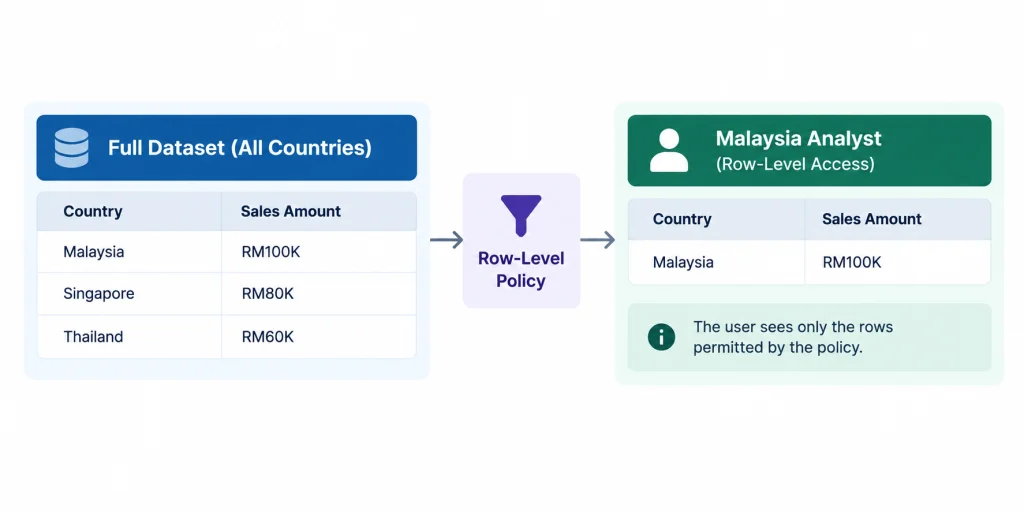
Starburst provides authentication, access control, and data security capabilities to help organizations control how users access and interact with data.
Managing enterprise data across hybrid and multi-cloud environments requires a unified approach to protection. With Starburst security and access control, organizations can centralize their governance policies without slowing down analytics. Instead of managing fragmented permissions across dozens of isolated databases, your team gains a single point of enforcement. Consequently, data engineers and analysts can query distributed data sources safely, rapidly, and in full compliance with global privacy regulations.
Centralized Governance with Starburst Security and Access Control
Traditional data architectures often force teams to duplicate security rules every time they move data into a new warehouse. However, Starburst Enterprise eliminates this bottleneck by decoupling security policies from underlying storage systems. Therefore, you can define access rules once and apply them universally across your entire data mesh or lakehouse architecture.
Furthermore, our Data Engineering services help you configure these unified policies seamlessly. Whether your data resides in Amazon S3, Snowflake, or on-premises relational databases, Starburst ensures consistent protection at the query layer.