A course on analytics engineering can look impressive on paper and still fail your organization. That usually happens when the material is built for individual upskilling, while your actual need is enterprise capability – governed data products, reliable pipelines, platform standards, and a workforce that can support AI initiatives without creating new operational risk. If you are evaluating the best analytics engineering course, the real question is not which program has the most content. It is which course can improve delivery quality, trust in data, and readiness for scale.
What the best analytics engineering course should actually teach
Analytics engineering sits between data engineering, analytics, and business operations. In mature organizations, it is not just about writing better SQL or managing transformations in a modern stack. It is about turning fragmented enterprise data into trusted, reusable, governed assets that support reporting, regulatory obligations, and decision intelligence.
That is why the best analytics engineering course should cover more than transformation frameworks and modeling patterns. It should explain how analytics engineering fits into platform operating models, governance controls, testing practices, lineage, documentation, semantic consistency, and change management. For regulated industries such as banking, insurance, and government, this broader view matters. A technically strong team that lacks governance discipline can still create material exposure.
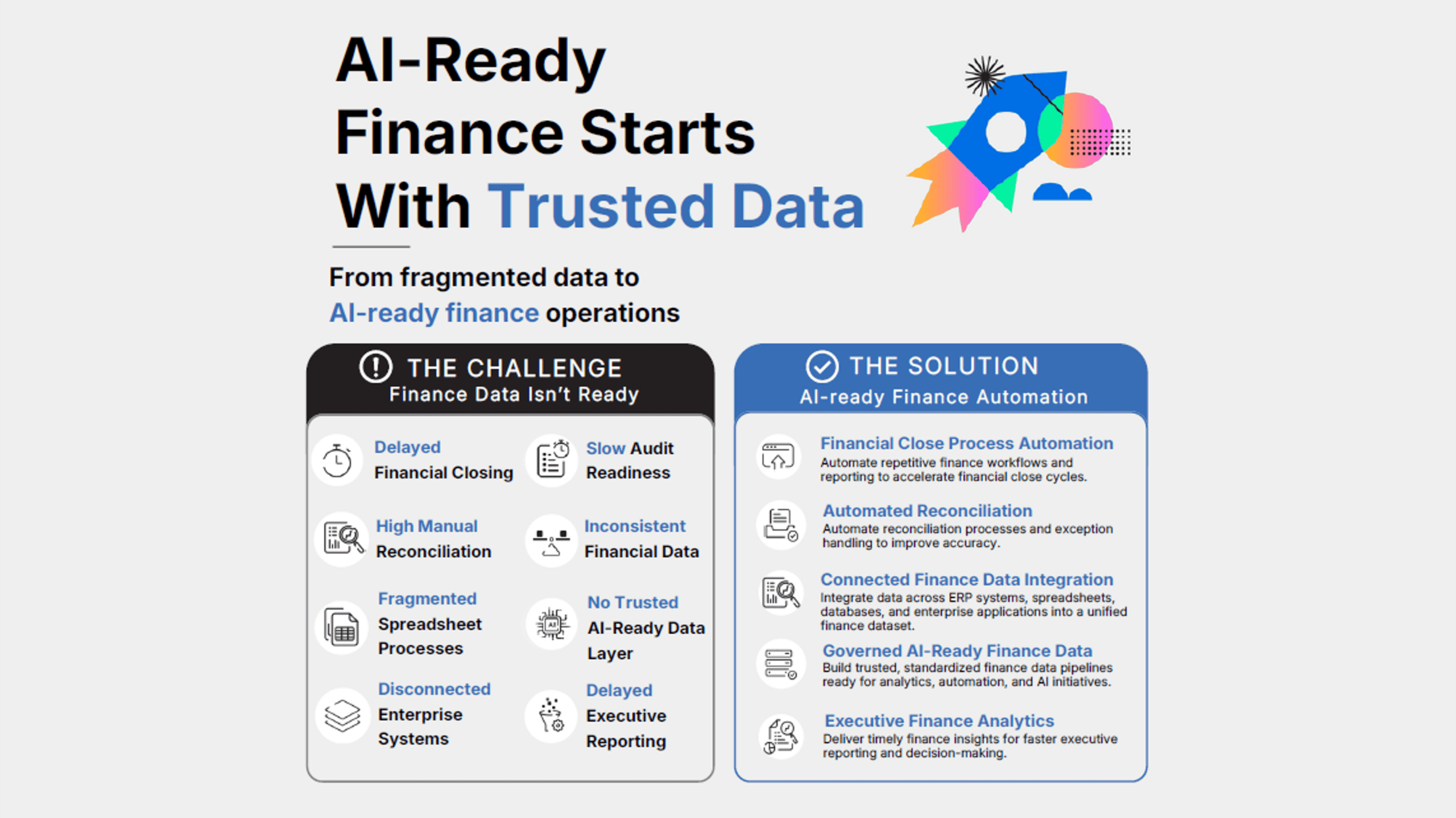
A strong course should also reflect the reality that analytics engineering is now closely linked to AI readiness. Poorly modeled data, inconsistent definitions, and weak pipeline observability do not just affect dashboards. They directly affect model performance, auditability, and confidence in automated decisions.
Why most courses fall short for enterprise teams
Many programs are designed for aspiring analysts, individual contributors, or modern data stack practitioners in digital-native companies. That makes them useful in a narrow sense, but incomplete for enterprise transformation. They often overemphasize tools and underemphasize operating context.
For a CIO, CDO, CTO, or Head of Data, the issue is not whether a team member can complete a project in a training environment. The issue is whether the organization can establish repeatable delivery standards across business domains, platforms, and compliance boundaries. A course that does not address enterprise architecture, governance, and production-grade implementation may improve familiarity, but it will not materially improve execution.
This is where trade-offs matter. A highly technical course may accelerate a few engineers. A broader executive course may help leaders frame the capability. Neither is sufficient on its own if your objective is enterprise-wide analytics modernization.
How to evaluate the best analytics engineering course
The most useful evaluation lens is capability impact. Instead of asking whether the course is popular, ask what institutional capability it will strengthen over the next 12 to 24 months.
Look for platform and architecture context
Analytics engineering does not exist in isolation. Teams work within lakehouse platforms, warehouses, orchestration layers, governance frameworks, and hybrid or sovereign data environments. The best analytics engineering course should therefore explain architecture choices, integration points, and implications for scale.
This is particularly important in large enterprises where data moves across on-premises and cloud environments, and where platform decisions affect cost control, resiliency, and compliance. A course that treats analytics engineering as a set of scripts rather than a platform discipline will have limited long-term value.
Prioritize governance and trust
If a course does not address data quality testing, lineage, version control, access controls, metadata, and business definitions, it is not preparing teams for enterprise deployment. Trust is not a soft concept in analytics engineering. It is an operational requirement.
For regulated sectors, governance content should not be an optional module added at the end. It should be integrated into the way transformation logic, documentation, release management, and stewardship are taught.
Assess whether it teaches operating model design
A capable analytics engineering function requires more than technical skill. It needs role clarity, domain ownership, development standards, and clear interfaces with data engineering, BI, governance, and business teams. The best courses explain how these roles work together and how organizations avoid duplication, rework, and semantic drift.
This is one of the biggest gaps in the training market. Many courses teach practitioners how to build assets. Fewer teach leaders how to institutionalize the function.
Validate real production relevance
Synthetic exercises have some value, but enterprise teams benefit most from scenarios that reflect production realities – schema drift, broken dependencies, conflicting KPIs, data access constraints, and pressure from business stakeholders. Courses that stay close to implementation reality tend to create better outcomes because learners can transfer the methods directly into delivery environments.
The best analytics engineering course depends on who it is for
There is no universal answer because the right course depends on your transformation objective.
For technical practitioners, the best course will emphasize transformation design, testing, modularity, documentation, deployment discipline, and collaboration with upstream and downstream teams. It should improve day-to-day execution quality.
For managers and platform leaders, the best course should focus more on standards, operating models, architecture alignment, capability maturity, and governance integration. These leaders need to know how to scale the discipline across domains rather than how to complete isolated exercises.
For executive sponsors, the course content should connect analytics engineering to business outcomes. That includes reporting reliability, faster time to insight, reduced manual reconciliation, better audit readiness, and stronger foundations for AI and automation initiatives.
In practice, many organizations need a layered enablement model rather than a single course. Executives need strategic understanding. Delivery leaders need design and operating model clarity. Practitioners need implementation depth. Treating all three audiences the same usually weakens adoption.
What enterprise buyers should expect from a serious course
A credible course should leave teams better equipped to build trusted data products, not just complete lessons. That means the curriculum should produce observable changes in how data work gets delivered.
You should expect stronger modeling discipline, more consistent definitions across business domains, clearer ownership of transformation logic, improved testing coverage, and better collaboration between platform teams and business analytics functions. If none of those outcomes are visible after training, the course may have delivered knowledge without building capability.
You should also expect the course to address implementation constraints. In large institutions, analytics engineering adoption often runs into legacy data quality issues, fragmented ownership, slow governance approvals, and competing platform priorities. Training that ignores these realities can create enthusiasm but not progress.
The most effective programs usually combine instruction with applied use cases, internal standards, and some form of capability transfer. That is especially true in ASEAN enterprise environments, where modernization often happens alongside legacy coexistence rather than full greenfield redesign.
Signs a course is built for modernization, not just certification
The strongest courses tend to share a few qualities. They teach analytics engineering as a discipline tied to business trust, not just developer productivity. They show how transformation logic supports reporting, controls, and AI-readiness initiatives. They address governance by design rather than after the fact. And they help teams work within enterprise constraints instead of pretending those constraints do not exist.
Another positive sign is balance. If a course is too abstract, teams leave with concepts but no execution path. If it is too tool-specific, the learning may become obsolete when the platform evolves. The best analytics engineering course usually sits between those extremes. It teaches principles that last, while still grounding them in practical delivery methods.
This is also where implementation experience matters. Organizations such as ORTECH that work across analytics engineering, data governance, modernization, and AI-ready data foundations understand that training is only valuable when it maps to operating reality. Enterprise teams do not need inspiration alone. They need methods they can govern, scale, and sustain.
A better question than which course is best
Instead of asking for the single best analytics engineering course, ask which course best fits the maturity of your data organization and the outcomes you are accountable for. If your current challenge is inconsistent reporting, your training priorities should be different from an organization preparing governed data products for AI adoption. If your teams are struggling with role confusion, standards may matter more than advanced modeling depth.
The right course is the one that closes the capability gap that is slowing execution today while preparing the organization for the next stage of modernization. That requires a more disciplined evaluation than reading course descriptions or relying on popularity.
Analytics engineering is now a strategic capability, not a niche technical specialty. Training should reflect that reality. Choose a course that helps your teams build trust, operate with control, and move from fragmented data work to repeatable business outcomes. That is where real value begins.